

Noticing a few drops of blood days before your period is due can be unsettling - is it the start of your period, an early pregnancy sign, or something that needs a doctor's attention? The short answer: spotting before period is common and usually harmless, but the underlying reasons vary widely, from ovulation to hormonal shifts to, less often, an underlying condition worth checking.
This guide explains what spotting before period means, the most common reasons for it, how it's different from your regular period, and when it's worth seeing a doctor.
What Is Spotting Before Period?
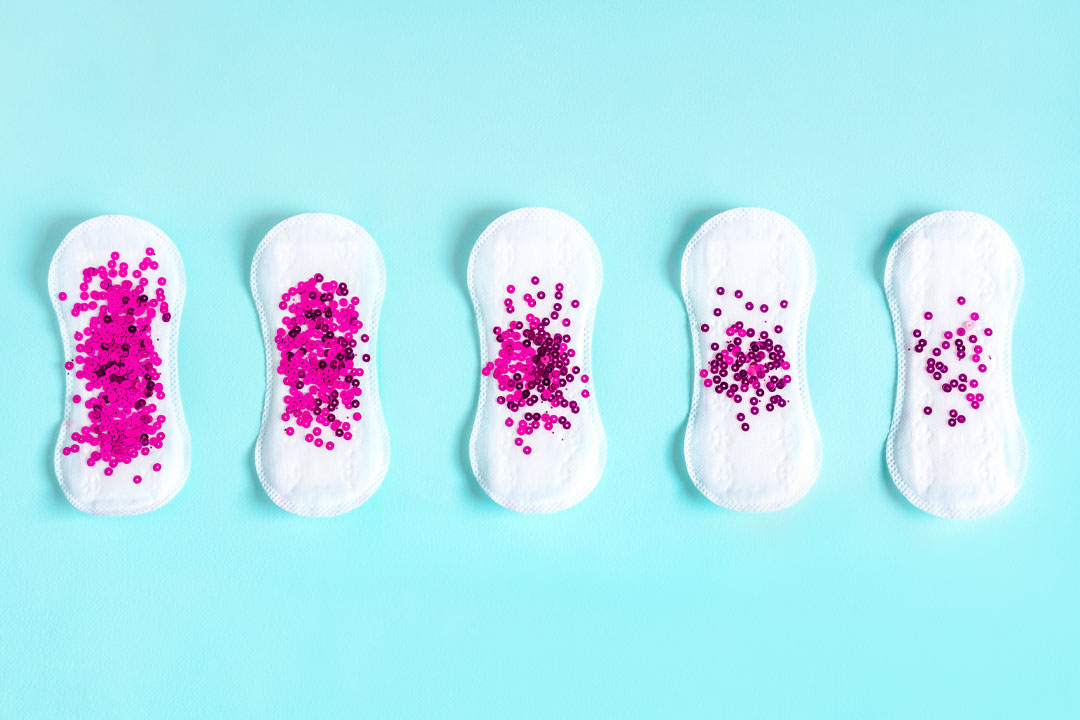
Spotting is light vaginal bleeding that happens outside your regular period. It usually involves a small amount of blood - often just enough to notice on toilet paper or in your underwear - and typically doesn't require anything more than a panty liner.
Any bleeding that happens outside your expected period window is technically called intermenstrual bleeding. It's extremely common and, in most cases, not a sign of anything serious. That said, because the causes range from completely normal to conditions that need treatment, it's worth understanding what's typical and what isn't.
Is Spotting Before Period Normal?
In most cases, yes. Light spotting before period is a frequent experience tied to normal hormonal fluctuations, ovulation, or early pregnancy. It becomes a bigger concern when it's heavy, painful, persistent, or happens after menopause - situations covered later in this guide.
Reasons for Spotting Before Period
There are many possible causes of spotting before period. Some are a normal part of your cycle; others point to a condition worth discussing with a doctor.
- 1. Pregnancy (Including Implantation Bleeding) Light spotting is common in early pregnancy - roughly 15–25% of pregnant people notice some spotting in the first trimester, ranging in color from pink to red to brown. One specific form is implantation bleeding, which can occur when a fertilized egg attaches to the uterine lining, usually a few days before your next period would be due. It tends to be lighter and shorter than a typical period and may come with mild cramping, breast tenderness, or fatigue. Spotting during pregnancy usually isn't a cause for alarm, but it should always be mentioned to a doctor. Contact a doctor right away if spotting is accompanied by heavy bleeding or pelvic pain, as these can indicate a miscarriage or ectopic pregnancy.
- Ovulation
Ovulation spotting is light bleeding that can occur around the time an ovary releases an egg - typically about two weeks before your period is expected. It's usually light pink or red and lasts only a day or two. Other signs around ovulation can include increased cervical mucus, a one-sided abdominal ache, breast tenderness, or a rise in basal body temperature. If you're trying to conceive, tracking these signs can help identify your fertile window. - Hormonal Birth Control
Spotting is a well-known side effect of hormonal birth control - pills, patches, injections, rings, implants, and IUDs can all cause it. It's especially common when you: Start a new hormonal method Miss doses or take pills inconsistently Switch birth control types or doses Have used the same method for an extended period If spotting continues or worsens, it's worth discussing with a doctor, as a different method or dose may help. - Perimenopause
As the body transitions toward menopause (typically starting between ages 45–47), ovulation becomes inconsistent. This transitional phase, called perimenopause, often brings irregular periods, spotting, and cycles that are heavier or lighter than usual. - Stress
High physical or emotional stress can disrupt the hormones that regulate your cycle, sometimes triggering spotting. Common contributors include work pressure, relationship strain, major life changes, or ongoing anxiety. Stress-management techniques - setting boundaries, mindfulness, adequate sleep - may help reduce stress-related spotting over time. - Polyps (Cervical or Endometrial)
Polyps are small, usually benign growths that can form in the cervix or uterus. Cervical polyps can cause light bleeding after sex or between periods and are often spotted during a routine pelvic exam. Endometrial polyps typically require imaging (like an ultrasound) to detect, and while most are benign, a small percentage can become cancerous - particularly after menopause, which is why any unusual bleeding pattern is worth having checked. - Sexually Transmitted Infections (STIs)
Infections such as chlamydia or gonorrhea can cause spotting between periods or after sex, often alongside burning during urination, unusual discharge, or pelvic pain. Most STIs are highly treatable when caught early, so it's worth seeing a doctor if you suspect one. - Pelvic Inflammatory Disease (PID)
PID occurs when bacteria spread from the vagina into the uterus, fallopian tubes, or ovaries, and abnormal bleeding between periods is a common symptom. Other signs include pain during sex or urination, fever, and foul-smelling discharge. PID needs prompt medical attention - left untreated, it can become serious. - Fibroids
Uterine fibroids are noncancerous growths that can cause spotting between periods along with heavier or longer periods, pelvic pain, and painful intercourse. Not everyone with fibroids has symptoms; when treatment is needed, it depends on the size and location of the growths. - Endometriosis
Endometriosis happens when tissue similar to the uterine lining grows outside the uterus. It can cause spotting between periods as well as painful, heavy periods, pain during sex, and digestive symptoms. It affects roughly 1 in 10 people of reproductive age with a uterus and can be difficult to diagnose without laparoscopic surgery. - PCOS (Polycystic Ovary Syndrome)
Hormonal imbalances involving excess androgen production can cause irregular bleeding between periods, along with irregular cycles, acne, weight changes, and excess hair growth. Treatment often involves hormonal birth control, insulin-regulating medication, or fertility medication, depending on your goals and symptoms. - Thyroid Problems
An underactive thyroid (hypothyroidism) can disrupt the menstrual cycle and cause spotting. Other signs include fatigue, weight gain, sensitivity to cold, and dry skin. This is typically managed with thyroid hormone replacement medication. - Certain Medications
Blood thinners, thyroid medications, and other hormonal drugs can sometimes cause spotting between periods as a side effect. A doctor can advise whether an adjustment or alternative is appropriate. - Trauma
Physical trauma to the vagina or cervix - from vigorous sex, an inserted object, a pelvic exam, or sexual assault - can cause irregular spotting. If spotting follows an assault or non-consensual activity, please reach out to a trained healthcare professional or a support service; in the U.S., RAINN's National Sexual Assault Hotline (800-656-4673) offers free, confidential support. - Cancer (Uncommon)
Rarely, abnormal bleeding can be a sign of endometrial, cervical, ovarian, or vaginal cancer. Spotting is not usually a cancer symptom, but it's especially important to mention to a doctor if you're over 45 or have already gone through menopause, since post-menopausal bleeding always warrants evaluation.
Spotting Before Period vs. Your Regular Period
| Factor | Spotting | Period |
|---|---|---|
| Flow | Very light; usually just a liner is needed | Heavy enough to require a pad or tampon |
| Color | Pink, reddish, or brown | Red to dark red, sometimes brown at the start/end |
| Duration | Usually 1–2 days or less | 4–7 days |
| Volume | Minimal | Roughly 30–72 mL total blood loss |
| Timing | Can occur any time in the cycle | Recurs every 21–35 days as part of a regular pattern |
Should I Take a Pregnancy Test If I'm Spotting Before My Period?
If you're of reproductive age and pregnancy is possible, an at-home urine test is a reasonable first step. These tests measure hCG (human chorionic gonadotropin), a hormone that rises quickly in early pregnancy.
- If the test is positive, schedule an appointment with an OB-GYN to confirm the result and begin appropriate care.
- If the test is negative but your period is more than a week late, it's still worth talking to a doctor - they can investigate other possible causes for a delayed or missed period.
When Should You See a Doctor About Spotting Before Period?
Occasional, light spotting usually doesn't need medical attention on its own. But it's worth talking to a doctor if the spotting is unexplained or recurring - it can occasionally point to an underlying condition worth ruling out. Keeping a simple log of when spotting occurs and any accompanying symptoms can help your doctor narrow down the cause.
Seek prompt medical care if spotting is accompanied by:
- Fever
- Dizziness or fainting
- Easy or unusual bruising
- Abdominal or pelvic pain
- Heavy bleeding
- Spotting that occurs after menopause
To identify the cause, a doctor may perform a pelvic exam, order blood tests, or recommend imaging such as an ultrasound.
How Is Spotting Before Period Treated?
Treatment depends entirely on the underlying cause:
- Hormonal imbalance - may be managed with hormonal birth control or other hormone-regulating medication
- Bacterial infection (e.g., STI, PID) - treated with antibiotics
- Polyps or fibroids - monitored if asymptomatic, or removed if causing bothersome symptoms
- Thyroid-related spotting - managed with thyroid hormone replacement
- Stress-related spotting - often improves with stress management and lifestyle changes
A doctor can help pinpoint the specific cause and recommend the most appropriate next step for your situation.
The Bottom Line
Spotting before period is common and, in most cases, not a sign of anything serious - ovulation, hormonal birth control, and everyday stress account for a large share of cases.
Still, because the range of possible causes is wide, it's worth paying attention to patterns: how often it happens, how it looks, and whether it comes with other symptoms like pain, fever, or unusually heavy bleeding.
When in doubt, a conversation with a doctor is the fastest way to rule out anything that needs attention and get peace of mind.
Frequently Asked Questions
Yes, in most cases. Light spotting before period is often linked to ovulation, hormonal fluctuations, or early pregnancy, and isn't usually a cause for concern on its own.
It generally means there's some light bleeding happening outside your regular period - commonly due to hormonal changes, ovulation, birth control, or in some cases, an underlying condition. The color, timing, and any accompanying symptoms help determine the likely cause.
It's a small amount of vaginal bleeding - lighter than a period and usually not requiring a pad or tampon - that occurs before your period is due to start.
For some people, yes - it can be a fairly consistent part of their individual cycle, especially around ovulation. If it's new, worsening, or accompanied by other symptoms, it's worth mentioning to a doctor.
The most common reasons include ovulation, hormonal birth control, stress, early pregnancy (including implantation bleeding), and hormonal fluctuations as your cycle progresses. Less commonly, it can be linked to polyps, fibroids, infections, or thyroid issues.
Ovulation, hormonal contraception, stress, and early pregnancy are the most frequent causes. Other possible reasons include perimenopause, polyps, fibroids, endometriosis, PCOS, thyroid conditions, and certain medications.
Conclusion
It is usual to have spots before, after or in between periods, and they are often related to normal hormonal fluctuations. If you are better informed about your menstrual cycle, it helps you to identify when to seek medical attention and what is normal for your body. Better reproductive health and peace of mind are guaranteed by early evaluation.

About Us
AKsigen IVF is a premier center for advanced fertility treatments, with renowned fertility experts on our team. Specializing in IVF, ICSI, egg freezing, and other cutting-edge reproductive technologies, AKsigen IVF is committed to helping couples achieve their dream of parenthood. With personalized care and a patient-first approach, AKsigen IVF provides comprehensive fertility solutions under one roof.



 +91 86556 78747
 info@aksigenivf.com


